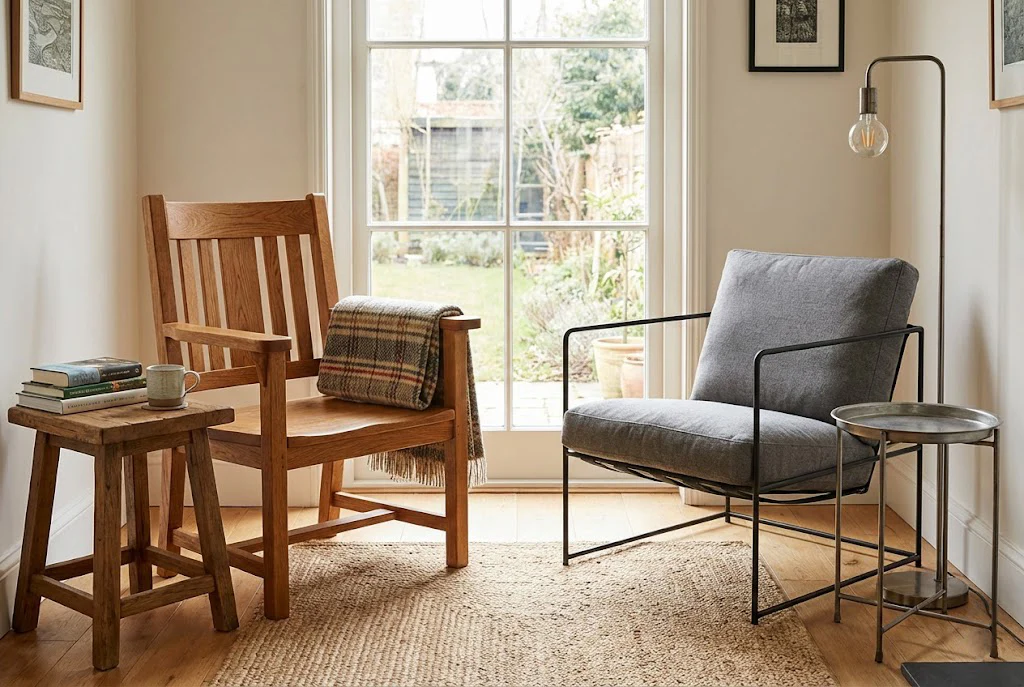
When furnishing a home, office, or commercial space, one of the most important decisions you’ll face is choosing between wooden furniture and metal furniture. Both materials have unique advantages and drawbacks, and the right choice depends on factors such as durability, aesthetics, maintenance, budget, and intended use. While wooden furniture is often associated with warmth, elegance, and timeless appeal, metal furniture is known for its strength, modern appearance, and low maintenance requirements.
In this comprehensive guide, we’ll compare wooden and metal furniture across various factors to help you determine which option is best for your needs.
Understanding Wooden Furniture
Wooden furniture has been a staple in homes for centuries. Crafted from natural materials such as oak, walnut, teak, pine, maple, and mahogany, wooden furniture offers a classic and versatile look that complements many interior design styles.
Advantages of Wooden Furniture
1. Timeless Beauty and Natural Appeal
One of the biggest reasons homeowners choose wooden furniture is its natural beauty. Each piece of wood has unique grain patterns, textures, and colors that add character and warmth to a room.
Wood works well with:
- Traditional interiors
- Rustic décor
- Farmhouse designs
- Scandinavian spaces
- Contemporary homes
Unlike many trendy materials, wood rarely goes out of style.
2. Exceptional Longevity
High-quality hardwood furniture can last for decades and even generations when properly maintained.
Popular durable hardwoods include:
- Teak
- Oak
- Walnut
- Maple
- Mahogany
Many antique wooden pieces remain functional and beautiful after more than a century of use.
3. Easy to Repair and Refinish
Wood furniture can often be restored rather than replaced.
Common restoration options include:
- Sanding scratches
- Refinishing surfaces
- Repainting
- Re-staining
- Replacing damaged sections
This ability to renew wooden furniture significantly extends its lifespan.
4. Better Insulation and Comfort
Wood naturally maintains a comfortable temperature and does not become excessively hot or cold. This makes wooden chairs, tables, and bed frames more comfortable in varying climates.
5. Increases Perceived Value
Solid wood furniture is often viewed as a premium investment due to its craftsmanship, durability, and aesthetic appeal.
Disadvantages of Wooden Furniture
1. Higher Initial Cost
Quality solid wood furniture can be expensive, especially pieces made from premium hardwoods.
2. Vulnerability to Moisture
Wood can:
- Warp
- Swell
- Crack
- Rot
if exposed to excessive moisture or humidity.
3. Susceptibility to Pests
Certain wood types may be vulnerable to termites, woodworms, and other pests without proper treatment.
4. Heavier Weight
Solid wood furniture is generally heavier than metal alternatives, making it harder to move and rearrange.
Understanding Metal Furniture
Metal furniture is commonly made from steel, aluminum, wrought iron, or stainless steel. It is popular in modern homes, offices, outdoor spaces, and industrial-style interiors.
Advantages of Metal Furniture
1. Superior Strength
Metal furniture can withstand substantial weight and daily wear.
Common examples include:
- Office desks
- Filing cabinets
- Bed frames
- Outdoor furniture
- Restaurant seating
Metal often provides excellent structural integrity even with slimmer designs.
2. Modern and Industrial Appearance
Metal furniture complements:
- Industrial interiors
- Minimalist spaces
- Contemporary homes
- Urban lofts
Its clean lines and sleek finishes create a modern aesthetic.
3. Low Maintenance Requirements
Most metal furniture requires minimal upkeep.
Typical maintenance includes:
- Dusting
- Occasional cleaning
- Rust prevention for outdoor pieces
Unlike wood, metal does not require refinishing or staining.
4. Resistant to Pests
Metal is immune to:
- Termites
- Wood borers
- Mold-related structural damage
This makes it particularly suitable for humid environments.
5. Lightweight Options Available
Materials such as aluminum provide excellent strength while remaining relatively lightweight and easy to move.
Disadvantages of Metal Furniture
1. Risk of Rust and Corrosion
Although modern coatings help prevent corrosion, certain metals may rust when exposed to moisture.
This is especially true for:
- Untreated steel
- Iron furniture
- Outdoor metal pieces
2. Can Feel Cold and Less Inviting
Metal lacks the warmth and natural texture associated with wood. In residential settings, some people find metal furniture less cozy.
3. Scratches and Dents
Metal surfaces may:
- Scratch
- Dent
- Chip
especially when subjected to heavy impacts.
4. Limited Repair Options
While wooden furniture can often be refinished, damaged metal furniture may require welding, repainting, or replacement.
Comparing Wooden and Metal Furniture
Durability
Wooden Furniture
- Extremely durable when made from hardwoods
- Can last for generations
- Requires protection from moisture
Metal Furniture
- Strong and impact-resistant
- Performs well in high-traffic environments
- Resistant to pests and everyday wear
Winner: Tie, depending on usage and maintenance.
Appearance
Wooden Furniture
- Warm
- Natural
- Elegant
- Timeless
Metal Furniture
- Sleek
- Modern
- Industrial
- Minimalist
Winner: Depends on personal style preferences.
Maintenance
Wooden Furniture
Requires:
- Polishing
- Refinishing
- Moisture protection
Metal Furniture
Requires:
- Basic cleaning
- Occasional rust prevention
Winner: Metal furniture.
Comfort
Wooden Furniture
- More comfortable temperature
- Softer visual appeal
Metal Furniture
- Can feel cold
- Often requires cushions or upholstery
Winner: Wooden furniture.
Cost
Wooden Furniture
- Higher upfront investment
- Better long-term value for premium pieces
Metal Furniture
- Often more affordable
- Wide range of budget options
Winner: Metal furniture for affordability.
Environmental Impact
Wooden Furniture
Sustainably sourced wood can be environmentally friendly and renewable.
Metal Furniture
Many metal products use recycled materials and can be recycled again at the end of their life cycle.
Winner: Depends on sourcing and manufacturing practices.
Best Uses for Wooden Furniture
Wood is ideal for:
- Dining tables
- Bedroom furniture
- Bookshelves
- Coffee tables
- Entertainment units
- Traditional living room furniture
Its warmth and natural beauty make it especially suited to residential interiors.
Best Uses for Metal Furniture
Metal works exceptionally well for:
- Office furniture
- Outdoor furniture
- Industrial-style interiors
- Commercial spaces
- Loft apartments
- Modern minimalist homes
Its strength and low maintenance make it highly practical.
Hybrid Furniture: The Best of Both Worlds
Many modern furniture designs combine wood and metal to maximize the benefits of both materials.
Examples include:
- Wooden tabletops with metal frames
- Industrial bookshelves
- Dining tables with steel legs
- Wood-and-metal bed frames
Advantages:
- Enhanced durability
- Contemporary appearance
- Balanced warmth and strength
- Greater design flexibility
This combination has become increasingly popular in modern interior design.
Factors to Consider Before Choosing
Before deciding between wooden and metal furniture, ask yourself:
What is my decorating style?
Traditional and rustic interiors often favor wood, while modern and industrial spaces complement metal.
How much maintenance am I willing to do?
Metal generally requires less upkeep.
Is the furniture for indoor or outdoor use?
Metal and treated wood can both work outdoors, but each requires appropriate protection.
What is my budget?
Metal furniture often offers more affordable options.
How long do I want the furniture to last?
High-quality wood and metal can both provide excellent longevity.