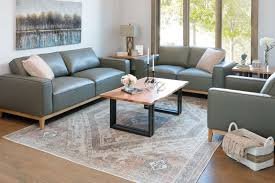
Mixing and matching furniture styles is one of the most effective ways to create a home that feels personal, stylish, and full of character. Instead of sticking to a single design theme, blending different styles allows you to express creativity and build a space that feels curated rather than “straight out of a catalog.” However, doing it well requires balance, planning, and a good understanding of design principles.
Why Mix Furniture Styles?
A home that combines multiple furniture styles often feels more dynamic and lived-in. It avoids monotony and gives each piece its own identity while still working together as a cohesive whole.
Benefits include:
- A more personalized interior design
- Greater flexibility when shopping for furniture
- Ability to reuse existing pieces
- A timeless, layered aesthetic
Start with a Dominant Style
The easiest way to successfully mix furniture styles is to choose one primary style as your foundation. This will act as the “anchor” for your space.
For example:
- Modern
- Scandinavian
- Industrial
- Traditional
- Bohemian
Once you pick a main style, you can introduce secondary styles as accents without overwhelming the space.
Stick to a Consistent Color Palette
Color is the glue that holds mixed styles together. Even if your furniture pieces come from different design eras or aesthetics, a consistent color palette will make everything feel intentional.
Tips for success:
- Use neutral base colors (white, beige, gray, black)
- Add 1–2 accent colors for personality
- Repeat colors across furniture and décor items
- Keep bold colors limited for balance
Balance Old and New Pieces
A key principle in mixing furniture styles is balance. Pairing modern pieces with vintage or traditional items creates contrast while maintaining harmony.
Examples:
- A sleek modern sofa with a rustic wooden coffee table
- A vintage armchair paired with a minimalist side table
- Industrial lighting combined with soft upholstered furniture
The goal is contrast, not competition.
Focus on Proportions and Scale
Even the most beautiful furniture pieces can look awkward if they are not properly scaled. When mixing styles, ensure that the size and proportions of your furniture complement each other.
Keep in mind:
- Avoid overly bulky items in small spaces
- Mix large statement pieces with smaller accents
- Maintain visual balance across the room
- Ensure seating and tables align in height and scale
Use a Unifying Material or Texture
Materials play a powerful role in tying different furniture styles together. Repeating certain textures helps create visual continuity.
Popular unifying elements include:
- Wood tones
- Metal finishes (black, brass, chrome)
- Natural fabrics like linen or cotton
- Leather accents
- Glass elements
For example, mixing styles becomes easier when multiple pieces share similar wood finishes or metal accents.
Create Visual Harmony with Repetition
Repetition is a simple but effective design technique. When certain elements repeat throughout a space, the room feels more cohesive—even with mixed styles.
You can repeat:
- Colors
- Shapes (round tables, curved chairs, etc.)
- Materials
- Patterns or textures
This creates a rhythm that visually connects different furniture pieces.
Mix Statement Pieces with Simple Designs
Every room should have a focal point. When mixing furniture styles, avoid overcrowding the space with too many bold pieces.
Instead:
- Choose one or two statement items (a bold sofa, artistic chair, or unique table)
- Keep surrounding furniture simple and understated
- Let the statement pieces stand out naturally
This prevents visual clutter and maintains balance.
Use Accessories to Tie Everything Together
Accessories are the finishing touch that helps unify mixed furniture styles. They act as visual connectors between different design elements.
Helpful accessories include:
- Rugs
- Throw pillows
- Curtains
- Artwork
- Lighting fixtures
- Decorative objects
A well-chosen rug, for example, can instantly bring different furniture styles into harmony.
Don’t Be Afraid of Contrast
A well-designed space often relies on contrast to create interest. Mixing rough textures with smooth finishes or pairing old with new can make your interiors more engaging.
Examples:
- Industrial metal shelves with soft upholstered furniture
- Minimalist décor with ornate vintage pieces
- Light-colored furniture against dark accents
Contrast should feel intentional, not chaotic.
Edit and Refine Your Space
One of the most important steps in mixing furniture styles is editing. Less is often more, and removing unnecessary items can improve the overall design.
Ask yourself:
- Does each piece add value to the room?
- Is there too much visual clutter?
- Do the styles complement each other?
Refining your space ensures everything feels balanced and well-curated.
Conclusion
Mixing and matching furniture styles is an art that combines creativity with thoughtful planning. By establishing a dominant style, maintaining color harmony, balancing proportions, and using repetition and contrast wisely, you can create a space that feels both stylish and uniquely yours. With the right approach, even the most diverse furniture pieces can come together to form a cohesive and visually stunning home.