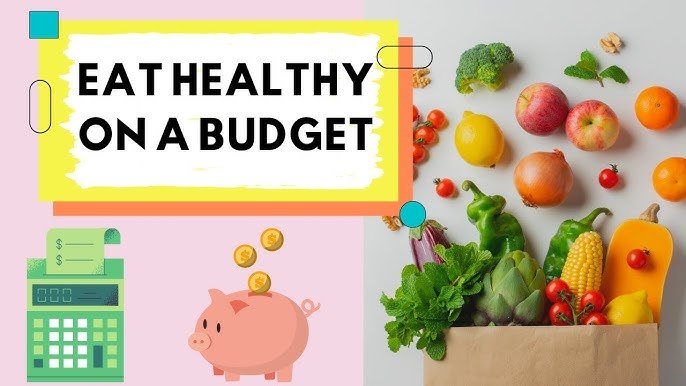
Eating healthy doesn’t have to be expensive. With a little planning and smart choices, you can enjoy nutritious meals without overspending. The key is focusing on simple ingredients, smart shopping, and avoiding waste.
Here are practical tips and tricks for healthy eating on a budget:
Plan Your Meals in Advance
Meal planning saves both money and time.
- Decide weekly meals ahead of time
- Make a grocery list before shopping
- Stick to the list to avoid impulse buying
Why it works: You buy only what you need, reducing waste and extra costs.
Buy Seasonal Fruits and Vegetables
Seasonal produce is usually cheaper and fresher.
- Choose local fruits and vegetables
- Avoid out-of-season imported items when possible
- Buy in bulk when prices are low
Why it matters: Seasonal foods offer better nutrition at lower prices.
Cook at Home More Often
Home-cooked meals are much cheaper than eating out.
- Prepare simple meals like rice, lentils, and vegetables
- Batch cook for multiple days
- Use leftovers creatively
Why it works: You save money and control ingredients.
Focus on Affordable Nutrient-Rich Foods
Healthy eating doesn’t require expensive items.
- Lentils, beans, and chickpeas for protein
- Eggs as a low-cost nutrient source
- Rice, oats, and whole grains for energy
- Seasonal vegetables for vitamins
Why it matters: Simple foods can still be highly nutritious.
Avoid Processed and Packaged Foods
Processed foods are often more expensive and less healthy.
- Reduce snacks, chips, and sugary drinks
- Choose whole foods instead
- Cook snacks at home when possible
Why it works: You save money and improve your health.
Buy in Bulk When Possible
Bulk buying can reduce long-term costs.
- Rice, flour, lentils, and spices
- Store properly to avoid spoilage
- Share bulk items with family if needed
Why it matters: Lower cost per unit helps stretch your budget.
Use Leftovers Smartly
Leftovers can become new meals.
- Turn rice into fried rice
- Use vegetables in soups or sandwiches
- Store food properly for reuse
Why it works: Reduces food waste and saves money.
Stick to Simple Recipes
Healthy eating doesn’t need complicated dishes.
- One-pot meals (rice and vegetables)
- Stir-fried dishes
- Simple soups and salads
Why it matters: Fewer ingredients = lower cost and easier cooking.
Shop Smartly
Smart shopping habits make a big difference.
- Compare prices before buying
- Look for discounts or local markets
- Avoid shopping when hungry
Why it works: Helps you avoid unnecessary spending.
Grow Your Own Food (If Possible)
Even small gardening can help.
- Grow herbs like mint, coriander, or basil
- Use pots or small garden spaces
- Harvest fresh ingredients at home
Why it matters: Fresh, free, and healthy additions to meals.
Final Thought
Healthy eating on a budget is all about smart planning and simple choices. You don’t need expensive superfoods to stay healthy—just balanced meals, mindful shopping, and consistency. Small changes in your habits can lead to big savings and better health.