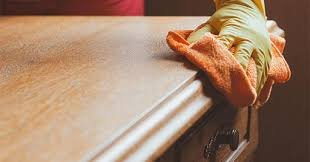
Wooden furniture is a timeless investment that adds warmth, elegance, and character to any home. Whether it’s a solid oak dining table, a walnut coffee table, a teak outdoor bench, or a handcrafted wooden bed, proper maintenance is essential to preserve its beauty and extend its lifespan. While wood is known for its durability, it can be affected by dust, moisture, sunlight, temperature fluctuations, and everyday wear if not cared for correctly.
In this comprehensive guide, you’ll learn everything you need to know about maintaining and caring for wooden furniture, from daily cleaning routines to long-term preservation techniques.
Why Proper Wood Furniture Care Matters
Wood is a natural material that continues to respond to its environment even after it has been crafted into furniture. Changes in humidity, temperature, and exposure to light can impact its appearance and structural integrity.
Proper maintenance helps:
- Preserve the natural beauty of the wood
- Prevent scratches and stains
- Protect against warping and cracking
- Extend furniture lifespan
- Maintain resale value
- Reduce costly repairs and refinishing
With regular care, quality wooden furniture can remain beautiful and functional for generations.
Understanding Different Types of Wood Furniture
Before discussing maintenance techniques, it’s important to understand that different woods require slightly different care.
Hardwood Furniture
Common hardwoods include:
- Oak
- Walnut
- Maple
- Cherry
- Mahogany
- Teak
Characteristics:
- Durable and long-lasting
- Resistant to wear
- Often more expensive
Softwood Furniture
Common softwoods include:
- Pine
- Cedar
- Fir
- Spruce
Characteristics:
- More affordable
- Lightweight
- More susceptible to dents and scratches
Engineered Wood Furniture
Examples include:
- MDF (Medium-Density Fiberboard)
- Plywood
- Particleboard
Characteristics:
- Budget-friendly
- Stable construction
- Requires careful moisture protection
Understanding your furniture material helps determine the most appropriate care methods.
Daily Cleaning Tips for Wooden Furniture
Regular cleaning is the foundation of furniture maintenance.
Dust Frequently
Dust may seem harmless, but over time it can create fine scratches on wooden surfaces.
Best Practices:
- Use a soft microfiber cloth
- Dust along the wood grain
- Avoid rough cleaning materials
- Clean at least once a week
Microfiber cloths effectively trap dust without scratching the finish.
Avoid Excess Water
Water is one of wood furniture’s biggest enemies.
Why Water Is Harmful:
- Causes swelling
- Leads to warping
- Damages finishes
- Encourages mold growth
Correct Cleaning Method:
Lightly dampen a cloth and immediately dry the surface afterward.
Never soak wooden furniture or allow standing water to remain on the surface.
Use Gentle Cleaning Products
Harsh chemicals can damage protective finishes and discolor wood.
Safe Cleaning Options:
- Mild dish soap diluted with water
- Wood-specific cleaners
- Natural vinegar solutions (used sparingly)
Avoid:
- Bleach
- Ammonia-based cleaners
- Abrasive scrubbing products
- Strong solvents
Always test a new cleaner on an inconspicuous area first.
Protect Wooden Furniture from Sunlight
Direct sunlight can significantly affect wooden furniture over time.
Potential Damage:
- Fading
- Discoloration
- Drying out
- Cracking
- Uneven color changes
Protection Strategies:
- Use curtains or blinds
- Install UV-filtering window film
- Rotate furniture periodically
- Avoid placing furniture directly beside large windows
These measures help maintain consistent color and finish.
Control Indoor Humidity Levels
Wood naturally expands and contracts as humidity changes.
Ideal Humidity Range:
40%–60%
Low Humidity Can Cause:
- Shrinking
- Cracks
- Splits
High Humidity Can Cause:
- Swelling
- Warping
- Mold growth
Solutions:
- Use a humidifier during dry seasons
- Use a dehumidifier in humid climates
- Monitor conditions with a hygrometer
Stable humidity helps preserve the structural integrity of wooden furniture.
Prevent Scratches and Surface Damage
Even durable hardwood furniture can develop scratches over time.
Use Protective Pads
Attach felt pads to the bottom of:
- Chairs
- Tables
- Decorative objects
These pads prevent scratches during movement.
Avoid Dragging Objects
Lift items rather than sliding them across wooden surfaces.
Common culprits include:
- Vases
- Lamps
- Electronics
- Decorative accessories
Keep Pet Nails Trimmed
Pets can unintentionally scratch furniture surfaces.
Regular grooming helps reduce accidental damage
Protect Against Heat and Moisture
Heat and moisture are common causes of wood damage.
Always Use Coasters
Drinks can leave:
- Water rings
- Heat marks
- Stains
Use coasters under:
- Glasses
- Mugs
- Bottles
Use Placemats and Tablecloths
Dining tables are especially vulnerable to spills and scratches.
Protect surfaces with:
- Placemats
- Table runners
- Tablecloths
These simple barriers significantly reduce wear.
Avoid Direct Heat Sources
Do not place wooden furniture near:
- Radiators
- Fireplaces
- Space heaters
- Heating vents
Excessive heat can dry out wood and cause cracking.
Polishing Wooden Furniture
Polishing enhances shine and provides an extra layer of protection.
Benefits of Polishing
- Restores luster
- Protects finishes
- Reduces minor scratches
- Enhances wood grain appearance
How Often Should You Polish?
Generally:
- Every 3–6 months for most furniture
- More frequently in high-use areas
Avoid over-polishing, as excessive buildup can attract dust and dull the finish.
Choosing the Right Polish
Select products specifically designed for your furniture finish.
Common options include:
- Beeswax polish
- Carnauba wax
- Oil-based wood polish
- Furniture cream
Follow manufacturer instructions carefully.
Caring for Different Wood Finishes
Not all wooden furniture finishes require the same treatment.
Varnished Wood
Maintenance:
- Dust regularly
- Clean with mild soap
- Avoid abrasive products
Varnish provides strong protection but can be scratched.
Oiled Wood
Maintenance:
- Reapply oil periodically
- Clean gently
- Avoid excessive moisture
Popular oils include:
- Danish oil
- Tung oil
- Linseed oil
Waxed Wood
Maintenance:
- Rewax occasionally
- Buff gently
- Protect from water
Wax finishes provide a rich, natural appearance.
Painted Wood
Maintenance:
- Use mild cleaners
- Avoid harsh scrubbing
- Touch up chipped areas promptly
Painted surfaces are often easier to clean but can chip over time.
Removing Common Wood Furniture Problems
Water Rings
White water rings often affect finished wood surfaces.
Removal Method:
- Apply a small amount of non-gel toothpaste
- Rub gently with a soft cloth
- Wipe clean
Always test first in an inconspicuous area.
Minor Scratches
For small scratches:
Options:
- Wood touch-up markers
- Furniture repair crayons
- Matching wood stain pens
These products help conceal imperfections effectively.
Sticky Residue
Remove residue using:
- Mild soap solution
- Soft cloth
- Wood-safe cleaner
Avoid aggressive scraping.
Long-Term Maintenance and Restoration
Inspect Furniture Regularly
Check for:
- Loose joints
- Cracks
- Finish damage
- Signs of pests
Early intervention prevents larger problems.
Tighten Hardware
Over time, screws and fittings may loosen.
Inspect and tighten:
- Chair legs
- Bed frames
- Cabinet handles
- Table supports
Regular maintenance improves safety and stability.
Refinish When Necessary
If the finish becomes heavily worn, refinishing can restore the furniture’s appearance.
The process typically involves:
- Sanding
- Repairing damage
- Applying stain (if desired)
- Adding a protective finish
Professional refinishing can make old furniture look nearly new.
Outdoor Wooden Furniture Care
Outdoor furniture faces additional challenges.
Protect from Weather
Use:
- Waterproof covers
- Outdoor storage solutions
- Protective sealants
Clean Seasonally
Remove:
- Dirt
- Mold
- Mildew
- Pollen
Regular seasonal cleaning prevents deterioration.
Apply Protective Treatments
Depending on the wood type, apply:
- Outdoor wood oil
- Water-repellent sealers
- UV-protective finishes
This is especially important for teak, cedar, and pine furniture.
Common Mistakes to Avoid
Using Excessive Water
Can cause swelling, warping, and finish damage.
Ignoring Spills
Clean spills immediately to prevent staining.
Using Harsh Chemicals
Many household cleaners damage wood finishes.
Placing Furniture in Direct Sunlight
Prolonged UV exposure leads to fading and cracking.
Skipping Regular Maintenance
Small issues become expensive repairs when neglected.
Eco-Friendly Wooden Furniture Care Tips
For environmentally conscious homeowners:
Use Natural Products
Examples include:
- Beeswax polish
- Olive oil-based cleaners
- Plant-based furniture care products
Refinish Instead of Replace
Restoring existing furniture reduces waste and extends product life.
Choose Sustainable Repair Materials
Look for low-VOC stains, paints, and finishes.