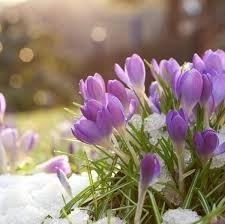
A garden filled with color in every season is one of the most rewarding sights for any homeowner. While many flowers bloom for only a short period, careful planning and plant selection can ensure your garden stays vibrant all year long. By combining seasonal bloomers, evergreen plants, and hardy perennials, you can create a landscape that never feels dull.
This guide explores the best flowers to plant for year-round color and how to design a garden that looks beautiful in every season.
Why Year-Round Color Matters in a Garden
A garden that changes with the seasons but never loses visual interest offers several benefits:
- Enhances curb appeal throughout the year
- Keeps outdoor spaces lively and inviting
- Supports pollinators in different seasons
- Reduces the need for constant replanting
- Improves mood and relaxation
- Creates a balanced, layered landscape
The key is not relying on a single type of flower—but building a mix that blooms at different times.
. Spring Bloomers for Fresh Color
Spring flowers bring your garden back to life after winter dormancy.
Best Spring Flowers:
Tulips
Bright, bold, and available in almost every color.
Daffodils
Reliable early bloomers that return every year.
Hyacinths
Known for strong fragrance and dense flower clusters.
Pansies
Cold-tolerant flowers that bloom early in the season.
Crocus
One of the first flowers to appear in early spring.
Why They Matter:
Spring flowers signal the start of the growing season and create a fresh, colorful foundation for your garden.
. Summer Flowers for Peak Vibrance
Summer is the season of maximum bloom and bold colors.
Best Summer Flowers:
Roses
Classic, elegant, and available in many varieties.
Marigolds
Heat-tolerant and excellent for pest control.
Petunias
Long-lasting blooms perfect for containers and beds.
Zinnias
Bright, cheerful flowers that attract butterflies.
Lavender
Adds both color and fragrance to your garden.
Why They Matter:
Summer flowers create the most visually striking part of your garden and keep it lively during hot months.
. Autumn Flowers for Warm Seasonal Tones
Fall flowers bring rich, warm colors that match the changing landscape.
Best Autumn Flowers:
Chrysanthemums (Mums)
One of the most popular fall-blooming flowers.
Asters
Daisy-like flowers that bloom late into the season.
Ornamental Kale
Adds texture and color even in cooler temperatures.
Sedum
Succulent-like plant with pinkish-red blooms.
Why They Matter:
Fall flowers extend the beauty of your garden after summer ends and prepare it for cooler weather.
. Winter-Resistant Plants for Year-Round Interest
While many plants go dormant in winter, some continue to provide structure and color.
Best Winter Plants:
Camellia
Produces beautiful blooms in colder months.
Hellebores (Christmas Rose)
One of the few flowers that bloom in winter.
Winter Jasmine
Bright yellow flowers that appear even in cold weather.
Pansies (in mild climates)
Can survive frost and continue blooming.
Why They Matter:
Winter plants keep your garden from looking bare during the coldest season.
. Evergreen Plants for Constant Structure
Evergreens are essential for maintaining color when flowers are not blooming.
Best Evergreen Options:
Boxwood
Great for hedges and shaping garden structure.
Holly
Provides green leaves and bright red berries.
Lavender (mild climates)
Retains foliage year-round.
Juniper
Adds texture and ground coverage.
Why They Matter:
Evergreens ensure your garden always has a green backdrop, even in winter.
. Perennials for Reliable Yearly Blooms
Perennials return every year, making them essential for low-maintenance gardens.
Best Perennials:
Daylilies
Hardy and bloom multiple times per season.
Coneflowers (Echinacea)
Drought-tolerant and pollinator-friendly.
Black-Eyed Susans
Bright yellow blooms that last through summer and fall.
Peonies
Large, fragrant blooms in late spring.
Hostas
Great for shaded areas with lush foliage.
Why They Matter:
Perennials reduce planting effort while ensuring consistent seasonal color.
. Bulb Flowers for Seasonal Surprise Blooms
Flowering bulbs provide predictable seasonal bursts of color.
Best Bulbs:
Tulips
Spring favorites with endless color variations.
Daffodils
Low-maintenance and long-lasting.
Lilies
Elegant summer bloomers.
Gladiolus
Tall, striking flowers for mid-to-late summer.
Why They Matter:
Bulbs create dramatic seasonal highlights with minimal effort.
. Container Flowers for Flexible Color
Potted plants let you move color wherever you need it.
Best Container Flowers:
Geraniums
Long-lasting and easy to maintain.
Begonias
Great for shaded patios.
Impatiens
Ideal for low-light areas.
Petunias
Perfect for hanging baskets.
Why They Matter:
Containers allow you to refresh and rearrange your garden easily.
. Climbing Flowers for Vertical Beauty
Vertical plants add dimension and maximize space.
Best Climbing Flowers:
Clematis
Produces stunning star-shaped flowers.
Morning Glory
Fast-growing with vibrant blooms.
Honeysuckle
Fragrant and attractive to pollinators.
Climbing Roses
Elegant and timeless garden addition.
Why They Matter:
Climbers turn walls, fences, and trellises into living art.
. Foliage Plants That Add Color Without Flowers
Not all color comes from blooms—leaves matter too.
Best Foliage Plants:
Coleus
Brightly colored leaves in red, pink, and green.
Heuchera (Coral Bells)
Purple, bronze, and lime-colored foliage.
Caladium
Tropical leaves with striking patterns.
Dusty Miller
Silvery foliage that contrasts beautifully.
Why They Matter:
Foliage plants keep your garden colorful even when flowers are not blooming.
. How to Design a Year-Round Color Garden
Layer Your Planting
Combine:
- Tall plants in the back
- Medium plants in the middle
- Low-growing plants in the front
Mix Blooming Seasons
Ensure something is always flowering in each season.
Combine Textures and Colors
Use contrast to make plants stand out.
Add Evergreen Structure
This keeps your garden visually stable all year.
. Tips for Maintaining Year-Round Color
Deadhead Regularly
Remove faded flowers to encourage new blooms.
Rotate Seasonal Plants
Replace containers with seasonal flowers.
Use Fertilizer Wisely
Feed plants according to their blooming cycle.
Water Consistently
Healthy plants produce longer-lasting flowers.
Prune at the Right Time
Proper pruning improves flowering performance.
Common Mistakes to Avoid
- Planting only one-season flowers
- Ignoring winter interest
- Overcrowding plants
- Choosing non-compatible climate plants
- Forgetting foliage plants
- Lack of planning for bloom cycles